For entry-level data and financial analysts, mastering SQL fundamentals is essential for efficient data analysis and interpretation. SQL, or Structured Query Language, is the backbone of relational database management, enabling analysts to efficiently insert, query, update, and delete data. We’ll explore SQL components, commands, best practices, and applications in data analysis, boosting your analytical capabilities.
What is SQL?
SQL refers to Structured Query Language, a tool pivotal for data professionals, used by over 60% for managing databases (Source: Kaggle’s Data Science Survey 2022). SQL simplifies data management, retrieval, and modification, all critical in data-driven decision processes.
How do SQL Syntax and Structure Work?
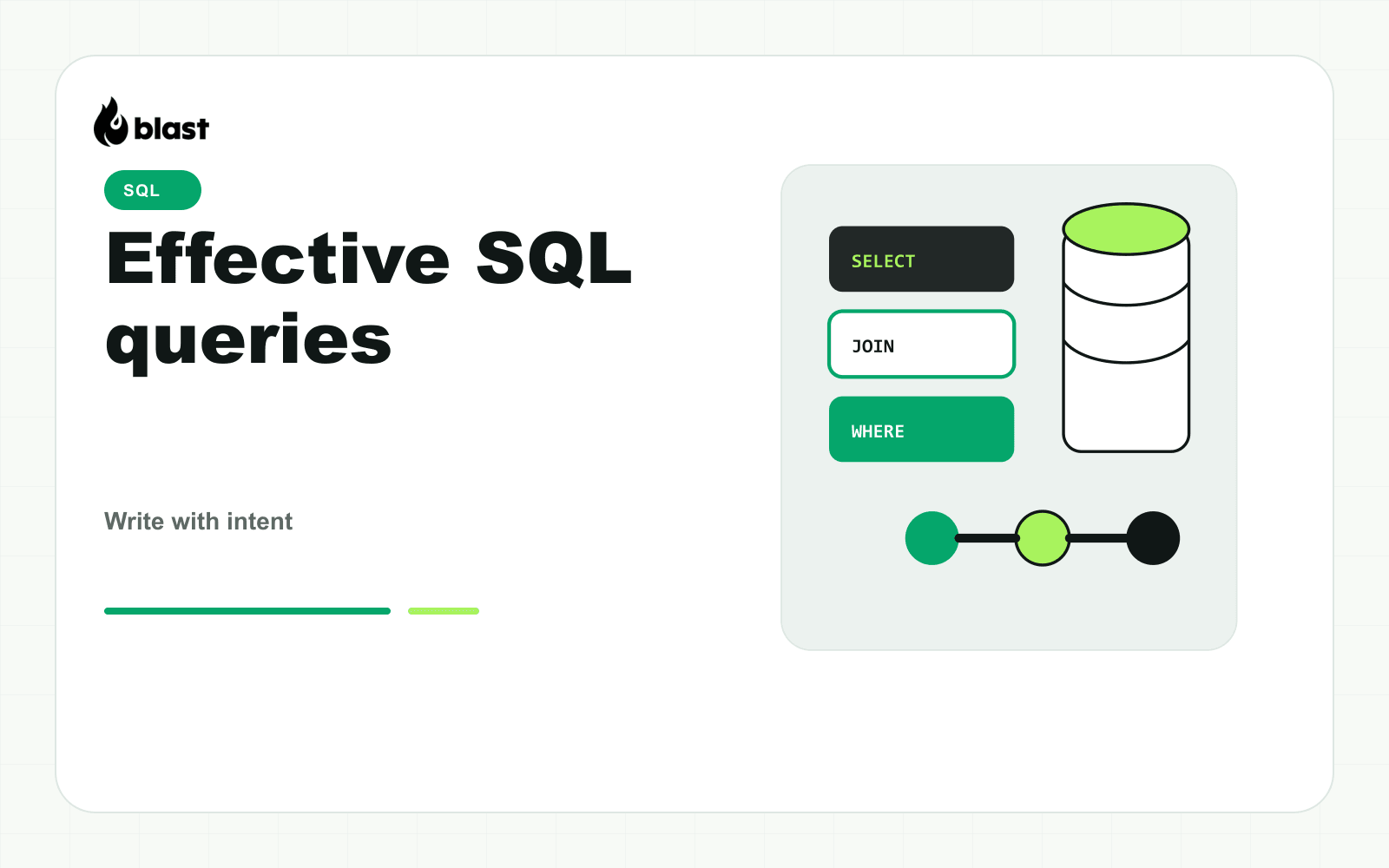
Understanding SQL syntax, which includes commands like SELECT, FROM, WHERE, INSERT, UPDATE, and DELETE, is foundational. These commands form the base of SQL queries, allowing effective database interactions.
SELECT: Retrieves data from a database.FROM: Specifies which table to query.WHERE: Filters data according to specified conditions.INSERT: Adds new data into a table.UPDATE: Modifies existing data.DELETE: Removes data from a table.
Familiarity with SQL syntax enhances the precision and efficacy of your queries, ensuring accurate data management.
How Can You Retrieve and Filter Data?
The SELECT statement underpins database record access. Effective retrieval involves selecting specific columns for performance and leveraging DISTINCT to eliminate duplicates.
SELECT employee_name, department FROM employees WHERE status = 'active';
Filtering and sorting data is pivotal for precise analysis using the WHERE clause for conditions and ORDER BY for sorting. Implement the LIMIT clause to confine record numbers:
SELECT * FROM products WHERE price > 20 ORDER BY product_name ASC LIMIT 10;
What are the Aggregation Functions and Grouping Techniques?
Aggregation functions like COUNT(), SUM(), AVG(), MIN(), and MAX() are used for summarizing data. Pairing these with GROUP BY helps analyze subsets:
SELECT department, COUNT(*) FROM employees GROUP BY department;
These techniques are invaluable for deriving insights at both micro and macro levels.
How to Use Joins and Subqueries?
Mastering joins and subqueries is key to analyzing complex data relationships:
INNER JOIN: Retrieves records with matching keys in both tables.LEFT JOIN: Returns all records from the left table and matches from the right.RIGHT JOIN: Retrieves all records from the right table and matches from the left.FULL OUTER JOIN: Delivers all matched records from both tables.- Subqueries: Allow for advanced data refinement through nested queries.
Example of INNER JOIN:
SELECT employees.name, departments.department_name
FROM employees
INNER JOIN departments ON employees.department_id = departments.id;
Practical Applications of SQL
Applying SQL in real scenarios enhances understanding. Manage sales datasets using SQL commands to insert sales, adjust figures, and analyze trends. Construct financial dashboards, integrating tables through joins and aggregations for insightful reports. Use open datasets from platforms like Kaggle to practice SQL proficiency.
Best Practices for Writing SQL Queries
For efficient SQL querying:
- Use column-specific
SELECTrather than*. - Index pertinent columns to expedite searches.
- Limit
SELECT DISTINCTusage. - Prefer
JOINsover complex subqueries for clarity.
What Are Common Mistakes in SQL?
Common mistakes include ignoring indexing and constructing overly complex queries. Maintain simplicity in SQL statements for optimal performance and maintainability.
FAQ
1. What is SQL commonly used for? SQL is used for managing and querying relational databases, crucial for data management.
2. How can SQL improve data analysis efficiency? SQL streamlines data retrieval and manipulation, enhancing analysis speed and precision.
3. What are the most used SQL commands?
Key commands include SELECT, INSERT, UPDATE, DELETE, FROM, and WHERE.
4. Are there effective strategies for SQL practice? Engage in practical projects, like building dashboards and utilizing open datasets.
5. How do joins enhance SQL queries? Joins enable analysis of complex relationships by combining data across tables.
Mastering SQL fundamentals requires practice and application. Use this guide to leverage SQL effectively in analytical tasks, enhancing your skill set and contributing significantly to data initiatives.